
MAY 12, 2026
The Six Inches Between My Ears: A Crossing of Water, Memory, and Becoming
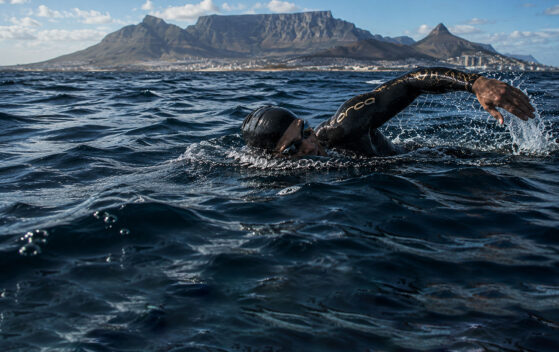
Next week, I will slip into the cold grey waters of Table Bay and begin swimming from Robben Island to Big Bay. The distance is 7.5 kilometres. The water temperature is approximately 14 degrees Celsius. By any measure, it is a formidable physical undertaking. And yet, I have come to understand, with a clarity born of hundreds of hours of training, both in the pool and in the open sea, that the true crossing is not measured in kilometres at all. The only distance I need to complete in this venture are the six inches between my ears.
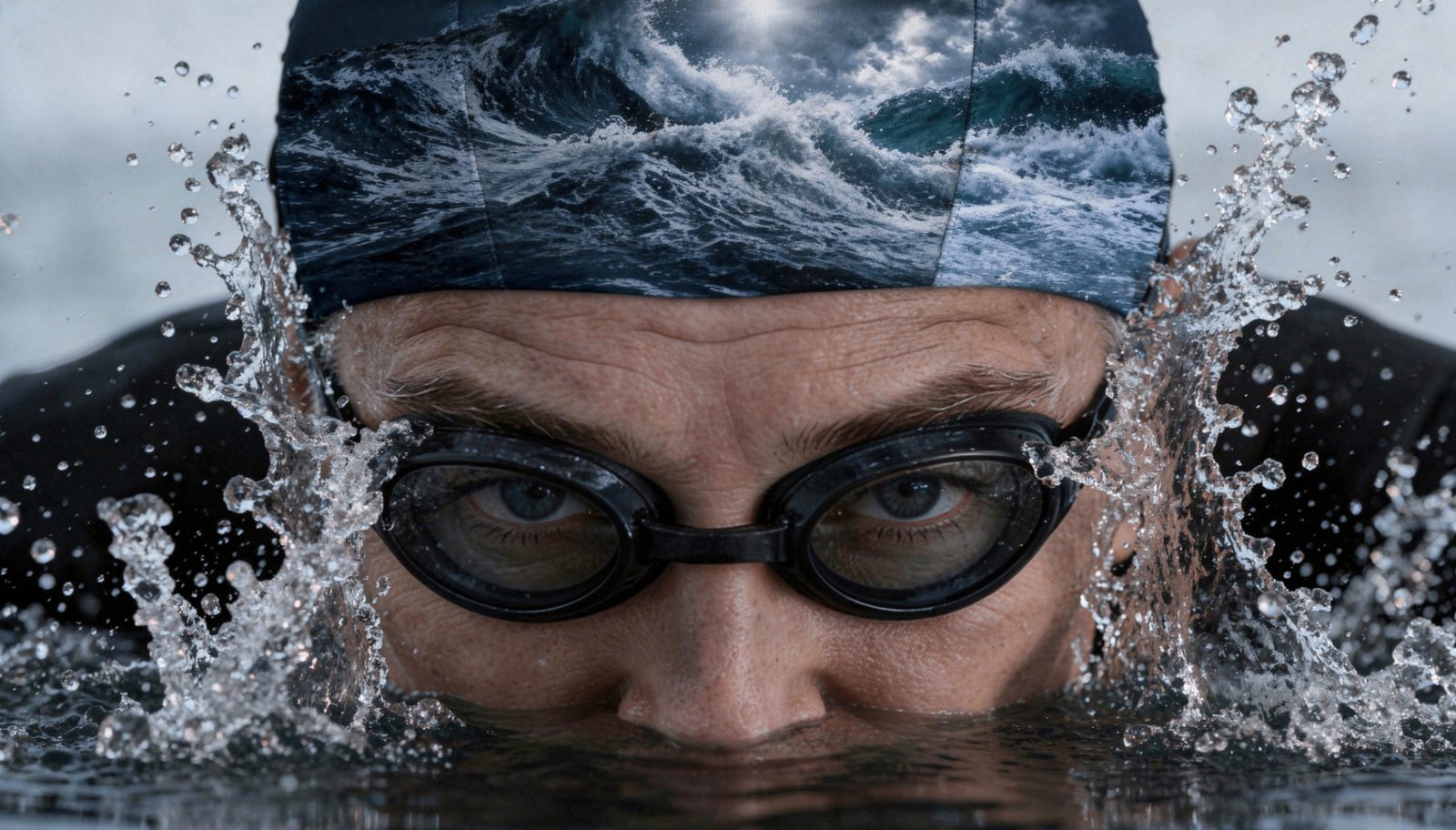
This is a mind game. An exercise in mental fortitude. A reckoning, long overdue, with the negative committee that has occupied rent-free space in my head for so many decades. The water is cold, yes. The currents are real. But it is the interior weather, the uninvited thoughts, the doubts that border on the existential, that has required the most disciplined training. During the hours of preparation, the mind plays tricks, and if one allows it too much leeway, it will create mutiny. I have trained myself, stroke by stroke, breath by breath, to prevent that mutiny. To chair a different meeting.
The German poet Rainer Maria Rilke once wrote: “I live my life in widening circles that move out over the things of this world.” I did not plan this swim as a metaphor, but it has become one nonetheless. Every widening circle outward from the island, every cold, churning metre toward the shore, is simultaneously a movement inward, toward something I have spent the better part of a lifetime trying to reach: a guarded but genuine sense of self-belief, unclouded by the self-doubt that has plagued so much of my life.
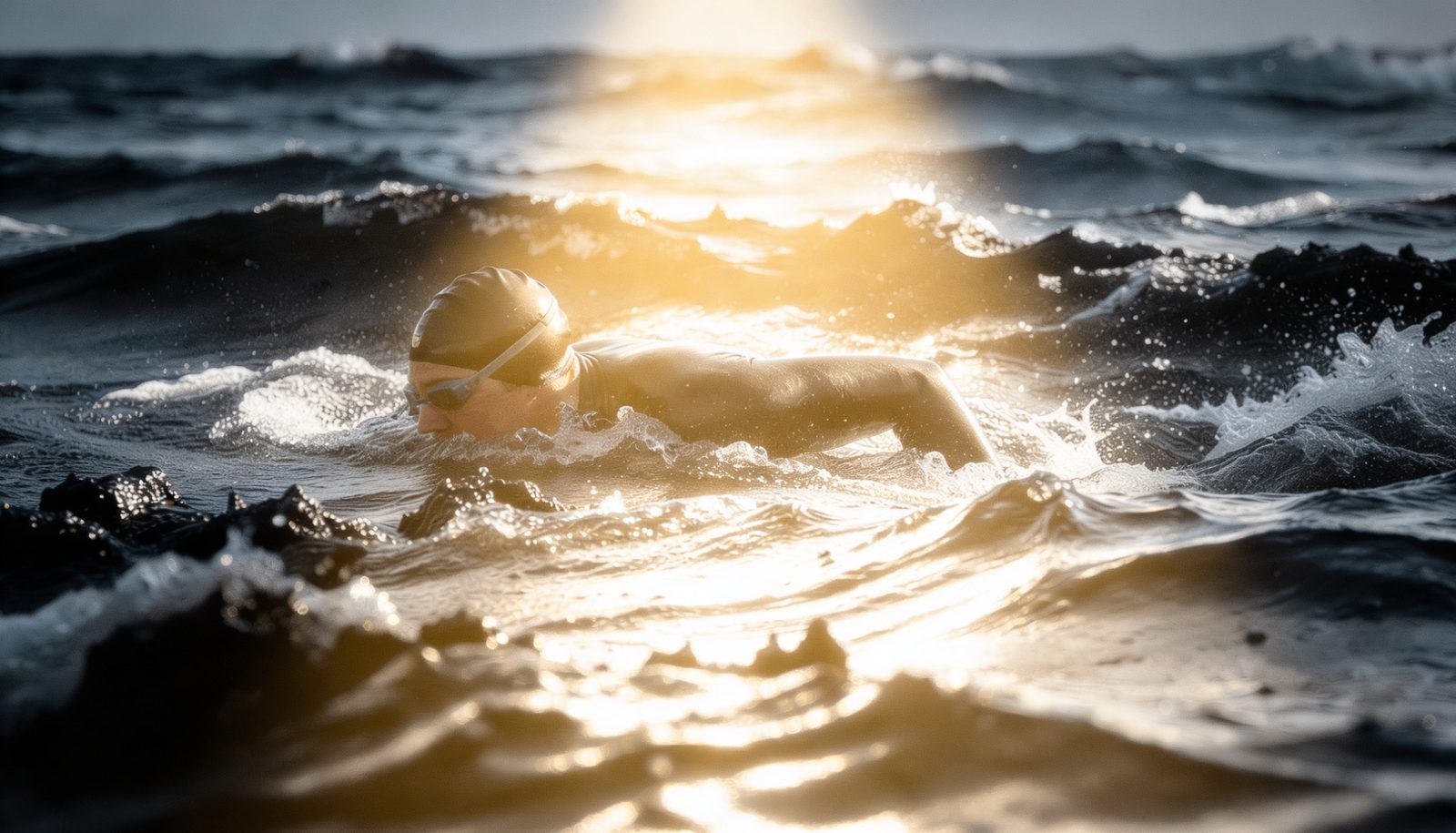
Six months ago, I made a decision. Not merely to register for a swim, but to fundamentally shift my mind and body toward a new possibility. What followed has required dedication and discipline of a kind I had not previously asked of myself in this way. It has tested my physical and mental capacities to their limits. There were mornings when the sea was angry and the voice inside was angrier. There were sessions where every stroke felt like argument. But I showed up. Increasingly, I noticed that the negative committee, that long-tenured, self-appointed board of inner critics, was losing its quorum.
Ralph Waldo Emerson wrote that “what lies behind us and what lies before us are tiny matters compared to what lies within us.” I have held that truth close during this preparation. The physical distance between Robben Island and Big Bay is, in the final accounting, a tiny matter. What lies within, the transformation that has been quietly underway, the years of genuine interior work, the hard-won movement from self-deception toward something approaching authenticity, that is the real crossing. And I have been training for it far longer than six months.
I am dedicating this swim to my late father. He was, without qualification, the most humble, most honest, most genuine, most authentic person with the greatest and most unimpeachable integrity of anyone I have ever known. He was also a man shaped, and in so many ways scarred, by history in its most brutal form. He grew up exposed to the extreme ravages, atrocities, suffering, deprivation, death and destruction of the Second World War in Nazi Germany. He carried those marks, quietly, for the rest of his life. He battled his own emotional demons, as do so many who witnessed too much, too young and were never given permission to speak of it.
Despite those wounds, or perhaps because he was intimately acquainted with their cost, he gave me something irreplaceable: the example of a life lived with integrity. Jung observed that the most powerful influence a parent exerts on a child is not in what they say, but in what they live. My father lived honesty. He lived humility. He lived service. And I received his example imperfectly, too tangled in my own seeking and striving to fully recognise it.
I spent much, if not most, of my young life trying to gain his approval. On a professional level, I had managed to achieve some success and recognition. But on a personal and emotional level, I felt I was deeply flawed and in no way leading a life of integrity. I remember often feeling like a fraud. I wore the achievements like borrowed clothing. And then, in the last years of his life, he never let an opportunity pass to tell me how proud he was of me. He said it with the directness of a man who had stopped wasting words. I heard it, and I did not yet believe I deserved it.
That is the loop I am closing with this swim. Not the loop of his approval, but the loop of my own self-accounting. Knowing how far I have come in my personal journey to address my plethora of shortcomings, my long and humbling path toward a mere semblance of emotional, spiritual and moral maturity, I can say that I am doing this for both of us. For the man I love, admire and revere more than anyone in the world. And for the man I have been working, with great effort and no small amount of honesty, to become.
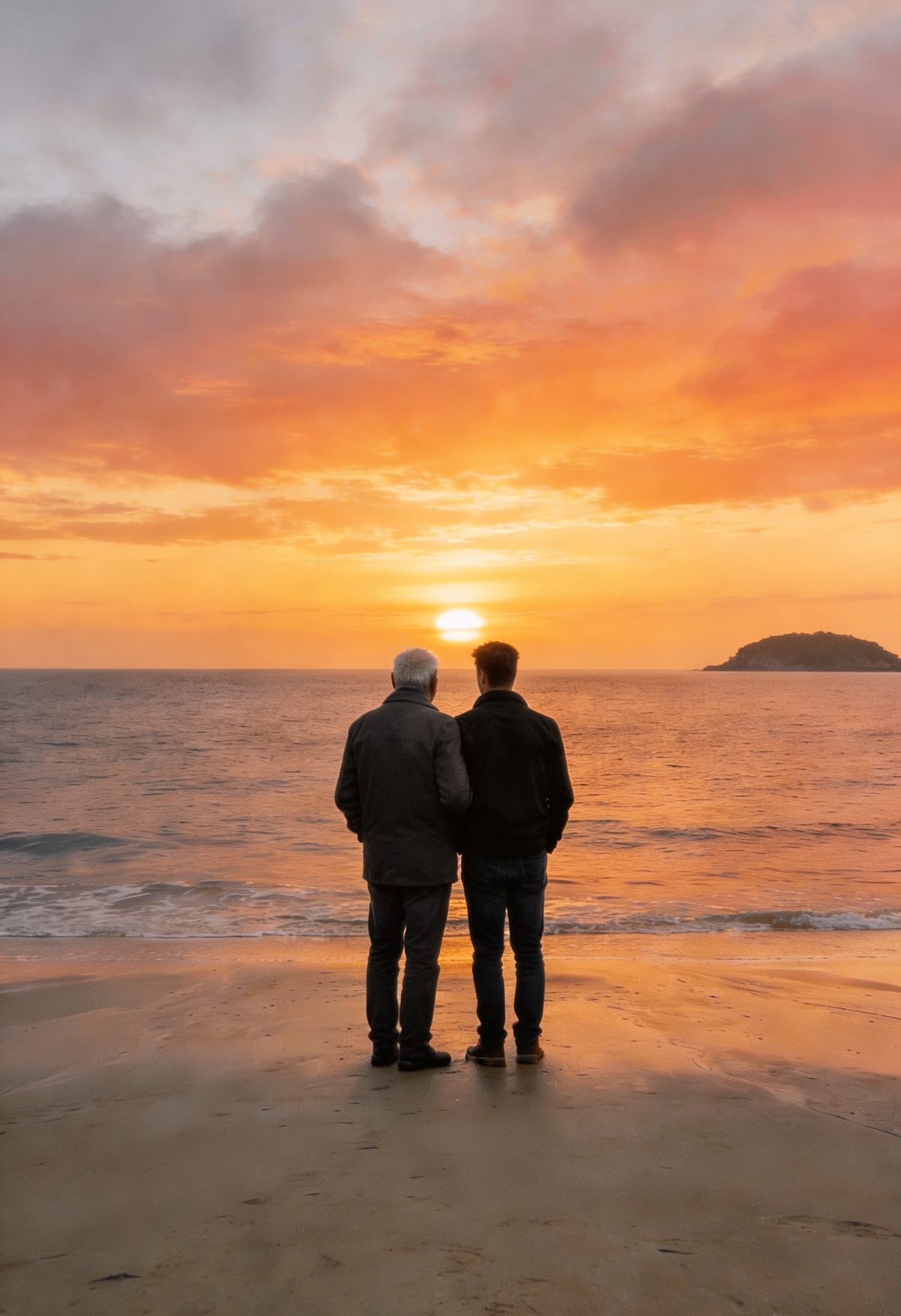
My father died of heart disease. The cause is personal in ways that extend beyond biography into something that feels, to me, almost like obligation. As though the story requires this chapter. As though the crossing demands not just my body, but my voice.
And that is why this swim is also for the children. In a world where heart disease causes more deaths than the six most common forms of cancer combined, there is an incipient humanitarian disaster unfolding in plain sight, obfuscated by ignorance and a troubling lack of moral realisation. Children born with congenital heart conditions, or struck down by rheumatic heart disease, in communities already burdened by unspeakable poverty and inequality, are waiting. Waiting for surgery. Waiting for someone to speak their names loudly enough that the right ears might hear. I am raising awareness and funds for these children, and I am carrying their cause with me into that cold water.
I approach next week with a mixture of both excited anticipation and a sense of trepidation. But most prominent, and this is new, and I do not take it lightly, is a guarded sense of confidence and complete and utter determination to make a success of it. Without the ever-present sense of self-doubt that has shadowed so much of my life. Without the negative committee convening in the dark.
Rilke, again, in his Letters to a Young Poet: “Be patient toward all that is unsolved in your heart and try to love the questions themselves.” I have, at last, made a kind of peace with the questions. I do not need to resolve every inherited wound or answer every existential inquiry before I enter the water. I need only to swim. To be present, stroke by stroke, breath by breath, in the cold and the current and the immensity of the open sea.
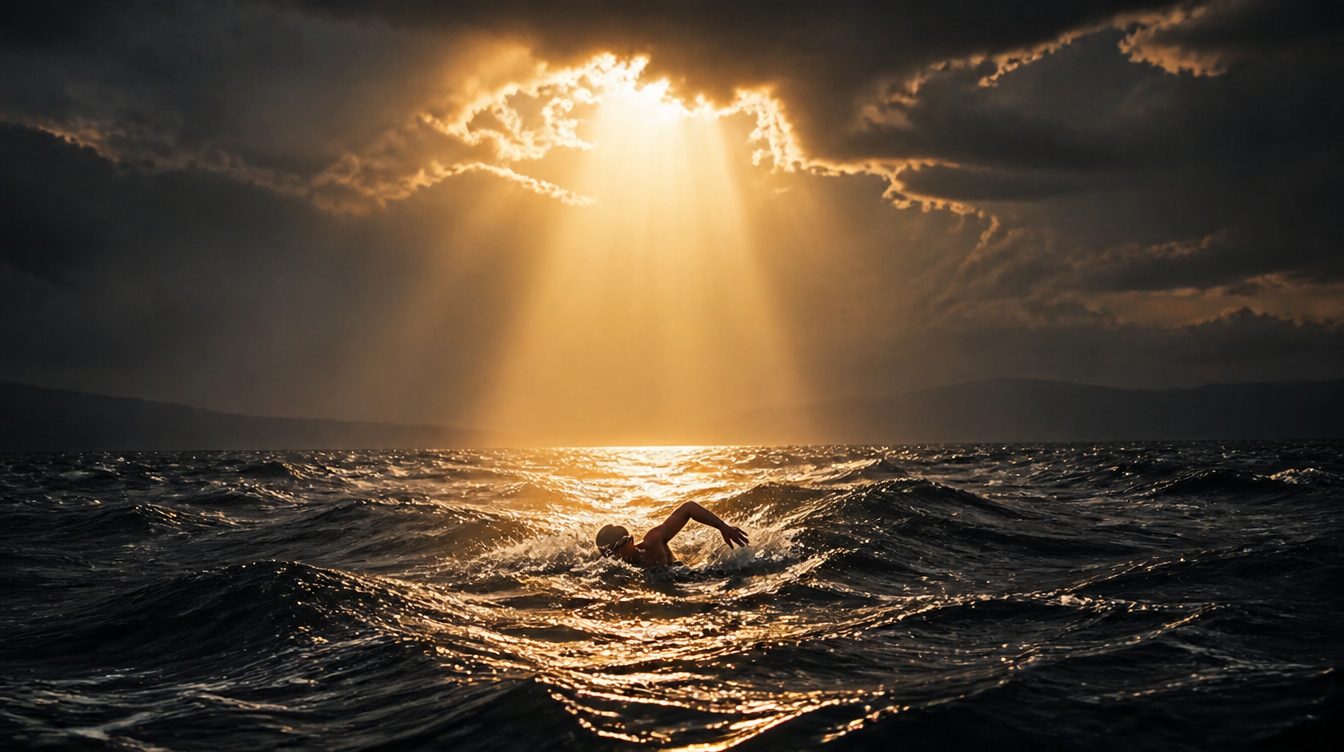
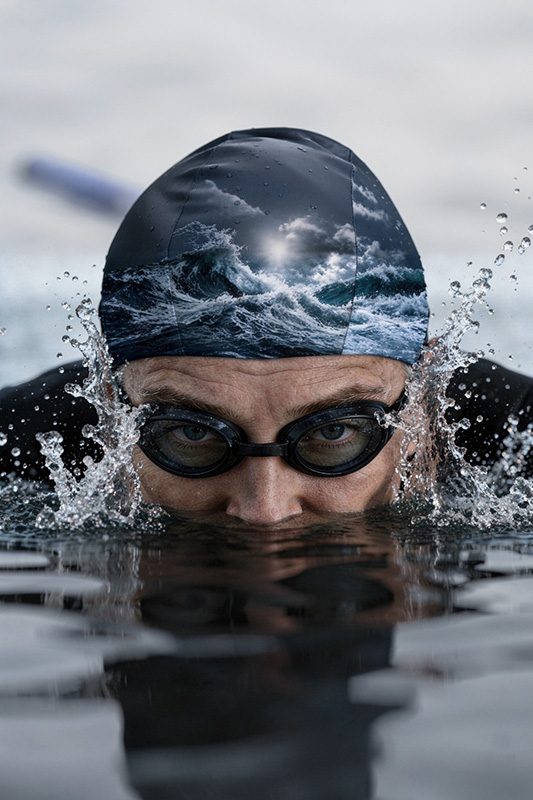
This swim is a rite of passage. It is a way of closing a door on an issue which has quietly plagued two generations of men. It is an act of love. Love for my father, for the children who need a voice, and for the version of myself who once believed he was not enough. I know, now, that he was. That I am.
The island waits. The water is cold. The negative committee has not been invited.
(Written in preparation for the Robben Island to Big Bay open-water crossing, May 2026.)