
AUGUST 26, 2025
The Weight of a Scalpel: A Surgeon's Reflection on Failure
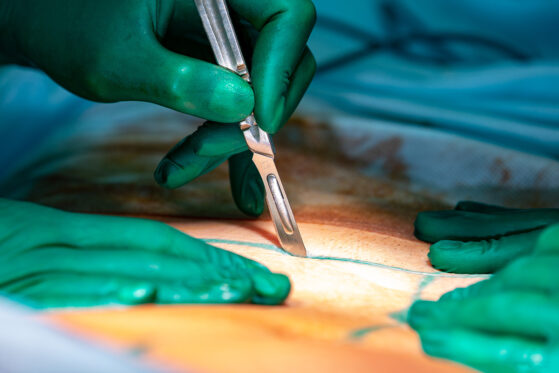
I had my appendix removed at the age of 7. It was a painful, profoundly unpleasant experience, but my lifelong love affair with surgery was born of it. I was never going to be anything else. (I remember getting into some serious trouble once, shortly after my own operation, when I once opened the belly of one of my sister’s rubber dolls to take her appendix out.)
I flirted with the idea of music and dreamed of becoming an opera singer in my teens, but thanks to the profound wisdom of my father, medical school was where I ended up and I remain grateful to him for it every single day.
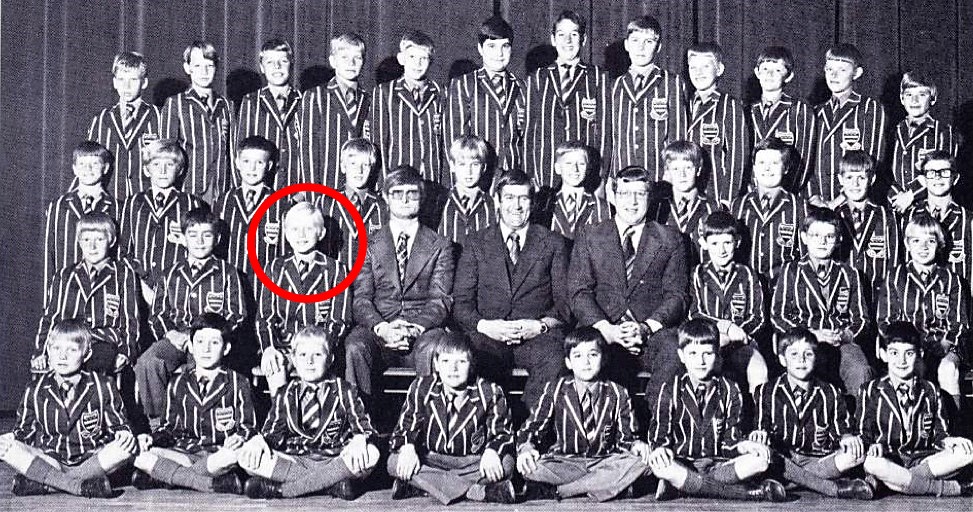
When I chose to become a surgeon, I imagined myself in the theatre of healing: bright lights above, a patient asleep beneath my hands, a team working in harmony while I guided the operation to its careful conclusion. The romantic allure and the glamour of heart surgery were particularly seductive, coupled with the fascinating intricacies of cardiorespiratory physiology.
I imagined triumph – the satisfaction of closing an incision, of knowing that my skill had given someone back their life. To this day, I feel the buzz, the high, the heady concoction of relief and triumph over disease whenever I leave the operating room after a successful operation. The novelty never wears off.
What I did not imagine – what no textbook, no exam, no clinical rotation ever fully taught me – was the unbearable weight of failure.
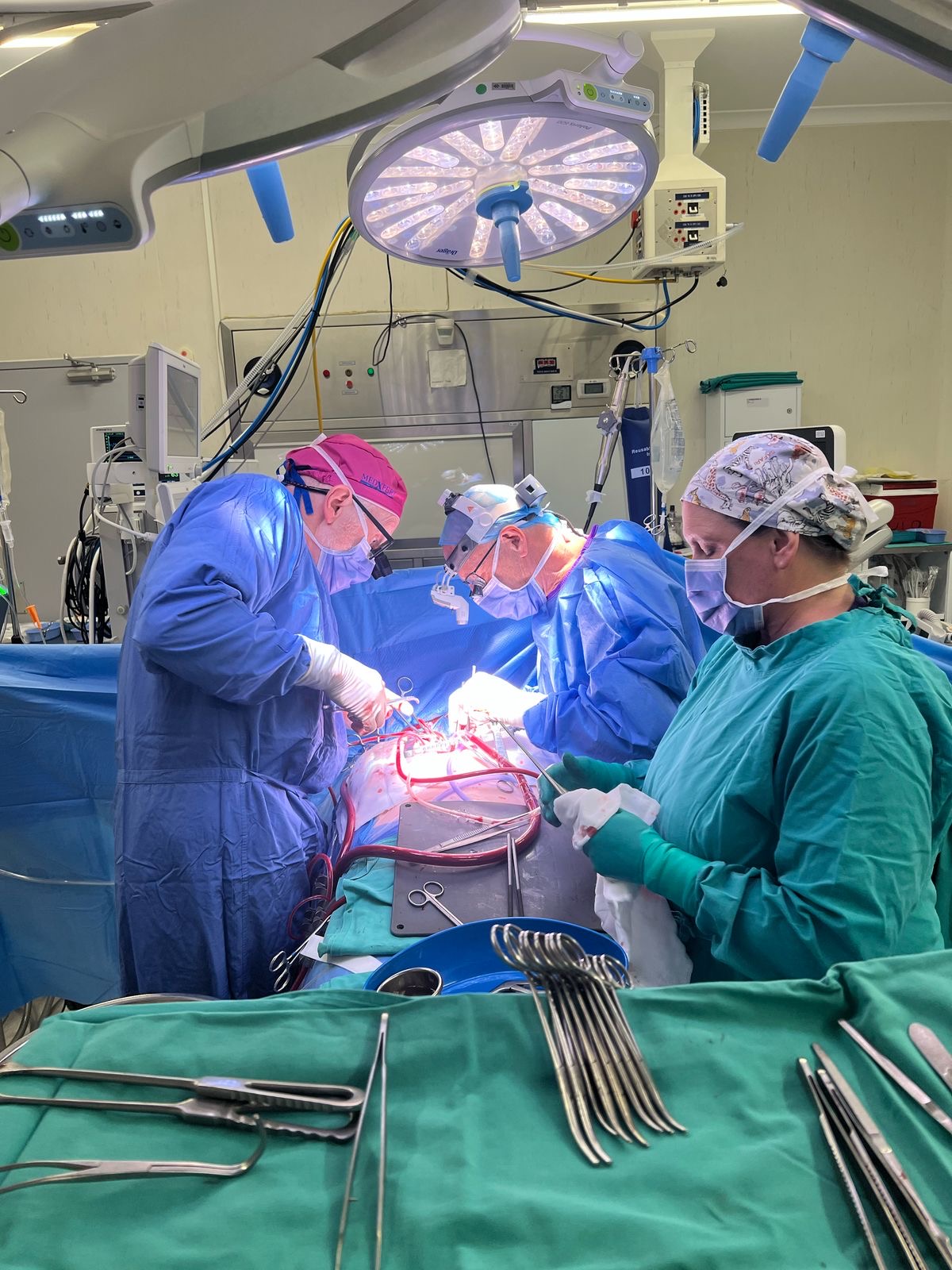
I learned it one day in the operating room, when a surgery did not go as planned and the patient in my care emerged worse than before. That day became a scar I still carry. It changed how I see myself, my profession, and the fragile balance between healing and harm.
The operating room has its own rhythm. The steady hum of machines. The soft clatter of instruments. The quiet but constant communication between anaesthesiologist, scrub nurse, surgical assistant, perfusion tech and myself. Usually, it is a space of control. Each movement rehearsed, each decision deliberate.
A complication arose – unexpected, swift, and devastating. I can still hear the sudden change in the monitor’s tone, the shift in the room’s atmosphere from calm focus to urgent tension. My heart raced, though my hands had to remain steady. Training teaches us to respond automatically, to fall back on protocols and algorithms, but inside I felt a growing disbelief: This can’t be happening. Not to me. Not to this patient.
I tried every manoeuvre I knew. Each one seemed to slip through my fingers like sand. The harder I worked, the more apparent it became that the outcome would not be what I had intended, wished for, anticipated.
And then came the silence – the moment after the final stitch, when the truth settled over me like a lead blanket: the patient would leave my hands worse off than before.
Walking out of that operating room, I felt hollow. My body moved on autopilot, signing notes, giving handover, answering questions perfunctorily, or not answering at all. Inside I was unravelling. I had done everything I could, and still it had not been enough.
Disbelief and absolute despair were my first companions. I kept replaying the surgery in my mind: each incision, each suture, each fleeting moment when I could have chosen differently. Surgeons are trained to analyse mistakes, but this was not analysis – it was obsession. I told myself that if I could just rewind the tape far enough, I might find the exact second where the path split, the moment where I could have saved the patient from harm.

Then, very soon, came the guilt. Sharp, merciless, relentless. It burrowed its way into my soul and set up camp. Permanently. No matter how many times colleagues, friends, loved ones reassured me – these things happen, it wasn’t your fault – I could not accept it. Because while complications may be inevitable, they are not abstract. They have faces, names, families.

And I was the one who had stood at the table, scalpel in hand, when harm was done.
If there is a moment harder than realizing a patient has suffered under your care, it is facing the patient’s family afterward.
I remember walking into the waiting room. The air felt heavy, expectant. Their eyes turned to me, searching for good news. I had rehearsed my words, stripped them of technical jargon, softened them with compassion. Still, when I spoke the truth, that things had gone wrong, that their loved one was worse off, the weight of their silence seemed to crush me.
There are no words strong enough to withstand that gaze. Grief, confusion, bewilderment, disappointment, anger – sometimes quiet, sometimes explosive – all of it aimed at me, and rightfully so. They had entrusted me with the most precious person in their life, and I had failed.
That conversation did not end when I left the room. It replayed in my mind over and over, their faces merging with the voice of my own self-reproach.
In the days and weeks that followed, doubt consumed me. Surgery demands confidence, but mine had fractured. I looked at my hands, the same hands that had once felt so capable, and I wondered if they could be trusted again.
Every time I scrubbed after that, I felt a ghost at my side. I would stand under the harsh lights, mask hiding the lines of fatigue etched across my face from lying awake for hours at night, ruminating reproaching, sometimes crying. I would hear the whisper of self-doubt: Remember what happened last time. What if it happens again?
Colleagues noticed I was quieter, slower to decide, more hesitant. They offered support, but surgery is not a profession that easily admits vulnerability. We are expected to be decisive, authoritative, unshakable. Yet beneath the mask, I was anything but.
Over time, I learned that the emotional weight of a failed operation never disappears. It becomes part of you, like a scar beneath the skin. At first, it burns – raw, tender, unbearable. But eventually, it fades into something else: a quiet ache, a reminder of fragility.
Failure humbled me. It stripped away the illusion of invincibility that years of training had built. It forced me to see myself not as a flawless technician, but as a human being operating within the limits of knowledge, skill, and chance. That realization was painful, but necessary.
I began to notice how failure reshaped the way I approached patients. My consent discussions grew longer, more careful. I spoke not only of success rates but of risks – honestly, openly, with a vulnerability I had once avoided. I treated each case with an added layer of vigilance, not out of fear, but out of respect for how swiftly control can slip away.
Surgery is unique among professions in that our tools of healing – scalpels, sutures, forceps – are also instruments of harm. Every incision is both a wound and a promise of repair. Most of the time, that promise is fulfilled. But when it isn’t, the surgeon must bear the contradiction: the very hands meant to heal have inflicted suffering.

This duality is not easily reconciled. It gnaws at the mind in quiet hours. It asks questions with no clear answers: How much risk is acceptable? How do I carry the knowledge that, despite my best intentions, I have harmed someone? And most painfully: How do I find the courage to pick up the scalpel again?
The answer, I have learned, lies not in forgetting but in remembering. Each failure becomes a silent teacher, reminding me of my limits, sharpening my vigilance, deepening my empathy. These scars push me to prepare more thoroughly, to listen more closely, to treat every patient as if they were my own family.
With time, I began to see that what defines a surgeon is not perfection -because perfection is impossible – but persistence. The courage to keep trying, even after failure. The humility to acknowledge mistakes. The humanity to grieve them, and still return to the operating table.
The day my operation went wrong marked me forever. The disbelief, the guilt, the crushing weight of a family’s grief – all of it remains with me still. But it also reshaped me. It stripped me of arrogance and left behind a deeper, humbler understanding of what it means to hold another person’s life in my hands.
Surgery is not just about technical skill. It is about emotional endurance – the strength to carry scars, both our own and those we cause, and still keep going. The scalpel does not cut only flesh; it cuts into the heart of the surgeon as well. And it is in living with those wounds, and still daring to heal, that the true weight – and the true calling – of a surgeon is found.