
JUNE 12, 2026
Becoming Each Other: A Reflective Essay on Fathers, Sons, and the Quiet Process of Simultaneous Evolving
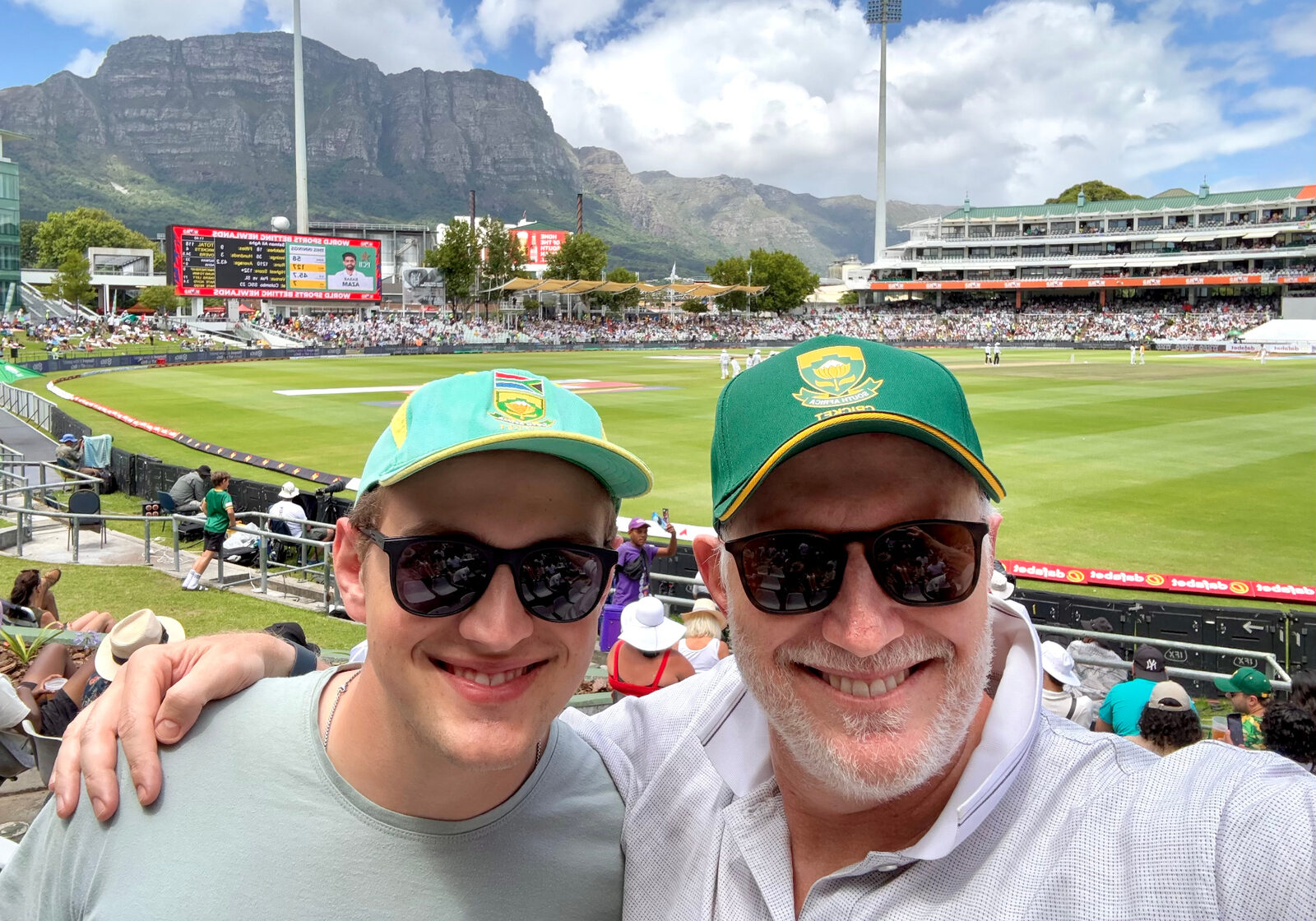
There is something I have taken to telling my children, admittedly with my tongue lodged in my cheek, but only very loosely, because I am totally genuine and honest in saying so:
"One day, when I grow up, I want to be like you."
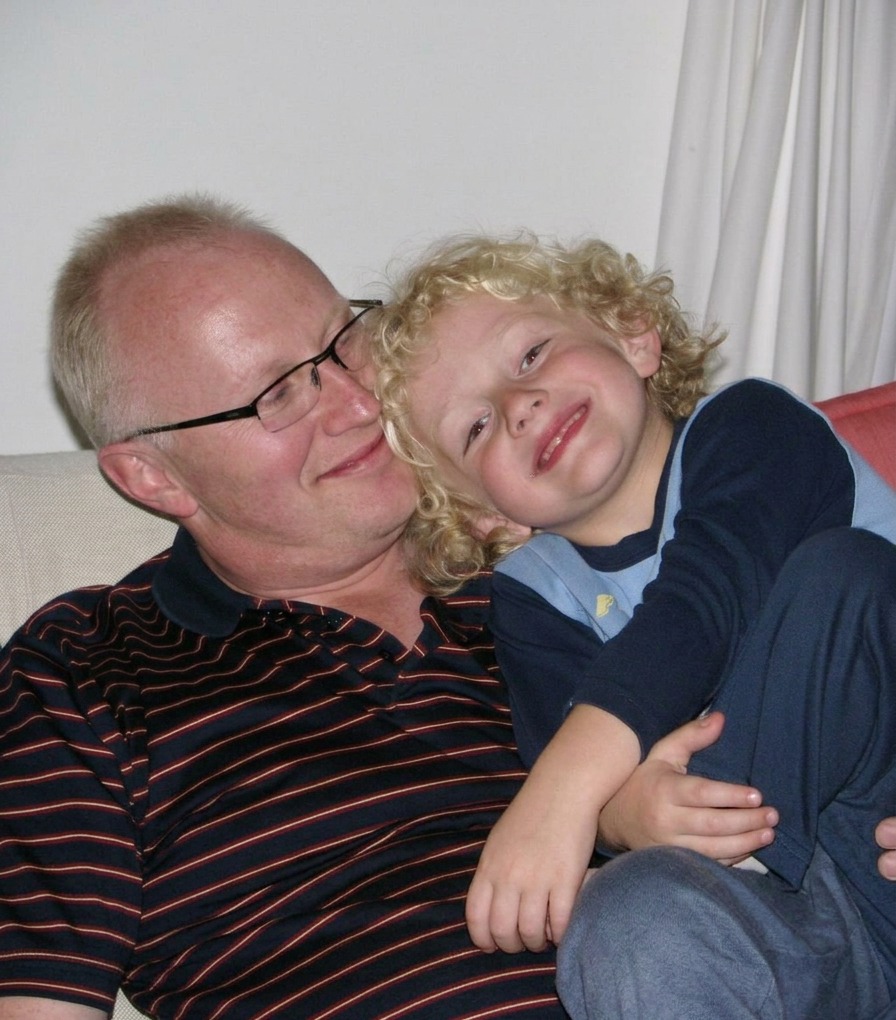
I have come to understand that the universe does not move only in one direction. Rivers do not always flow from mountain to sea. Occasionally, under especially unusual circumstances, the water finds its way back upward. Not through any violation of natural law, but through something older and more mysterious than physics. Sometimes, the child becomes the compass, and the father learns to read it.
This is a story about one such river. It is a story about my son.
Consider for a moment the nature of power. Not the crude, transactional power of institutions and hierarchies, but the quiet, foundational power of origin. Every father is, in effect, an emperor. Not by conquest, not by decree, but by the sheer fact of precedence: he is already here when his son arrives. The world the child is born into, its textures, its temperatures, its unspoken rules, its emotional climate, has been, to a degree that cannot be overstated, shaped by the father and his peers. The son, then, is the crown prince of an empire he did not choose and did not build, but into which he was delivered, blinking and wholly trusting.
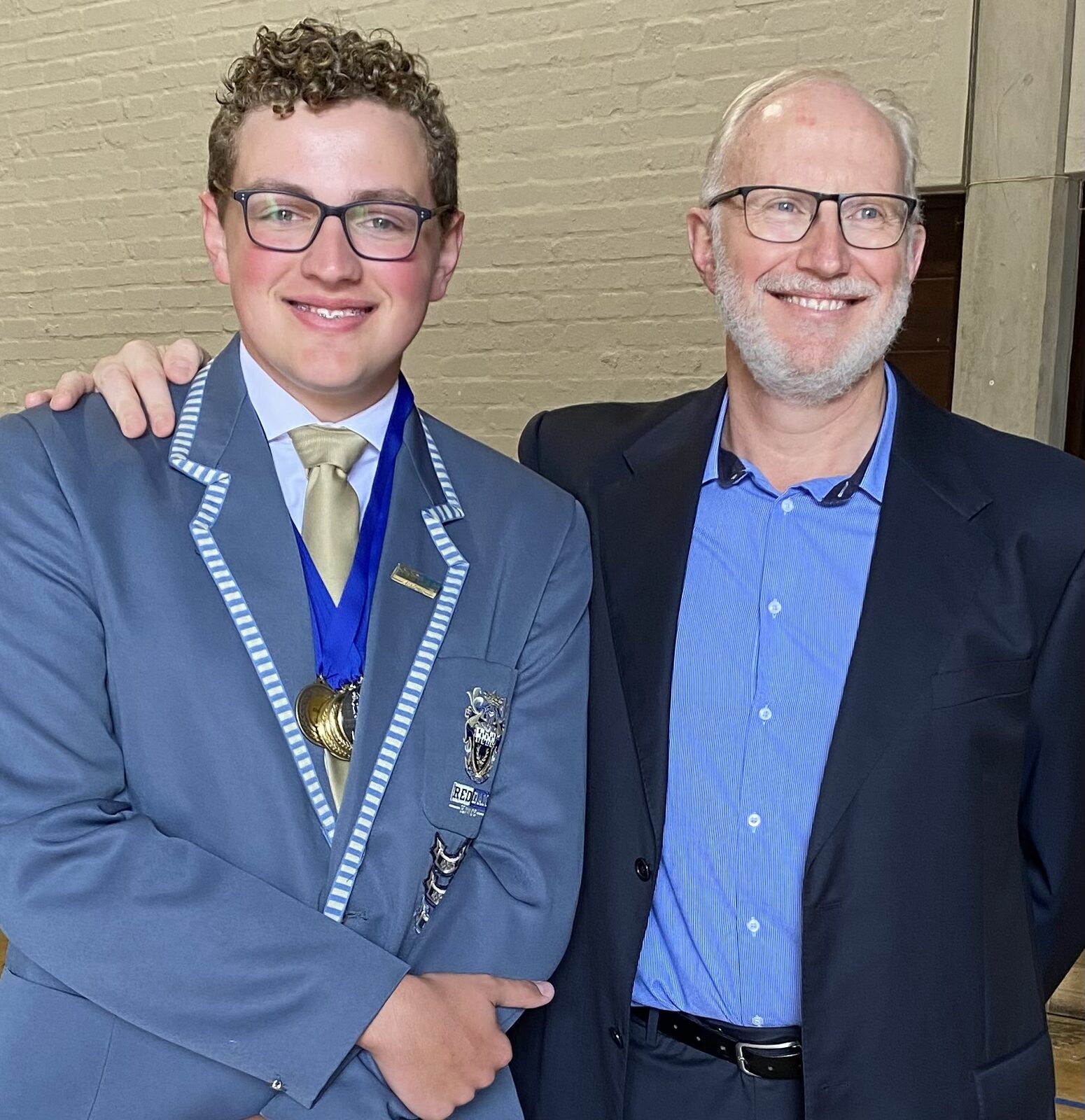
If every father is an emperor, then surely the emperor's most sacred obligation is not to the throne, but to the heir. Surely every ruler's ultimate obligation is to the legacy they leave? It follows naturally, that it is the emperor's duty to ensure the world he leaves his son is the best possible version he could develop, a world he himself would want to live and thrive in.
And here is the question that dismantles the emperor's vanity, if he is honest enough to ask it: How does he know what that world should look like?
Surely the answer is to learn it. To look, with genuine humility, through the idealistic, perhaps naïve, utopian lens of what his son would like. To listen to the ideas and ideals his son dreams of and espouses for his own generation and for those to come. The great emperors of history were not merely conquerors; they were students of their territories. A father who refuses to be a student of his son is a ruler who governs a land he has never truly visited.
Jorge Luis Borges wrote that "...any life, however long and complicated it may be, actually consists of a single moment. The moment when a man knows forever more who he is." I'm not sure that this is entirely true, but I know that I have witnessed such moments in another human being, and that witnessing them was among the great privileges of my life.
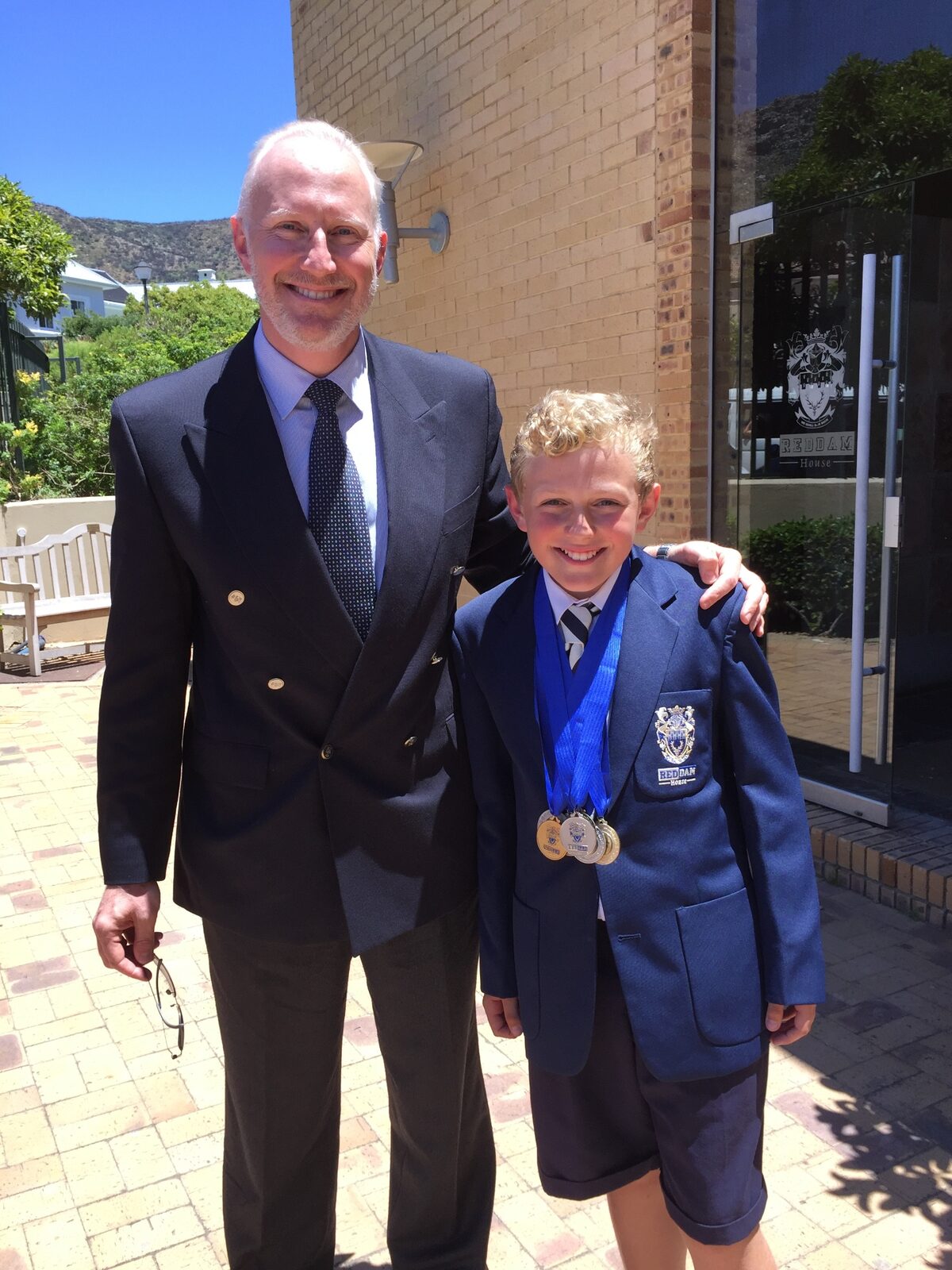
My son was not always who he is now. He came into his boyhood tender and exposed, like a nerve ending pressed against the world without insulation. Exquisitely sensitive. Exquisitely, because there is no lesser word adequate to describe both the beauty and the burden of it. He was easily moved to tears, as I have been, as I remain. That exquisite sensitivity was, however, counterbalanced with an enthusiasm, a joy for life, an exuberance and a general, all-encompassing bonhomie which superseded any sense of possible morose disposition or a lack of appreciation of the wonderful marvels life offered.
However, the world, which does not always know what to do with feeling, treated his sensitivity as weakness, and so the bullies found him. They feasted on what they could not understand. It was, I recognised with a cold and private grief, as if my own childhood had been handed back to me, humiliation and the peculiar loneliness of being seen as soft in a world that prizes armour.
But the universe, again, does not move in only one direction. Something shifted in his eleventh year. He began to grow into himself. Confidence arrived, not as a loud thing, but as a quiet settling, the way sediment finds the riverbed. By the end of that year, his peers, those most unforgiving, yet instinctive of judges, elected him to a position of student leadership. They had seen something.
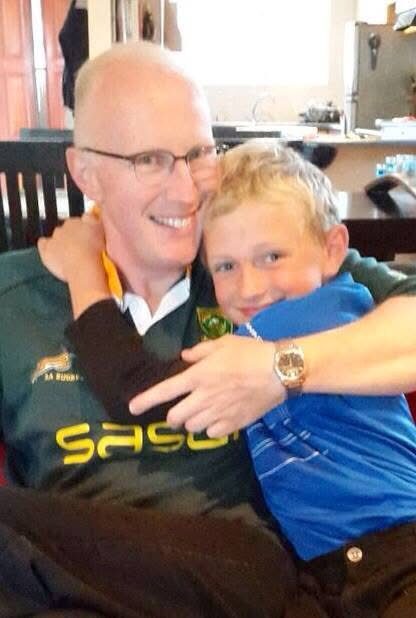
He has been serving his peers in respected roles ever since. Through his high school years and into his student career, he has been commended repeatedly for his maturity, his dedication, his diligence, his efficiency.
My son carries a phenomenal intellect with the ease of someone who has never needed to announce it. He possesses what I can only describe as a photographic memory, the ability to collect and absorb vast amounts of facts and figures, to hold within him encyclopaedic knowledge of the sports he loves, their data and their histories going back decades, retrieved with the casual precision of a master archivist.
Along with this runs the perhaps rarer gift: the ability to take complexity apart, to look at it without flinching, and to deliver something simple, concise, and yet somehow more truthful than the complexity you handed him.
His integrity is something I aspire to emulate and I do not use that word lightly, because I am his father, and it should not be the natural direction of aspiration.
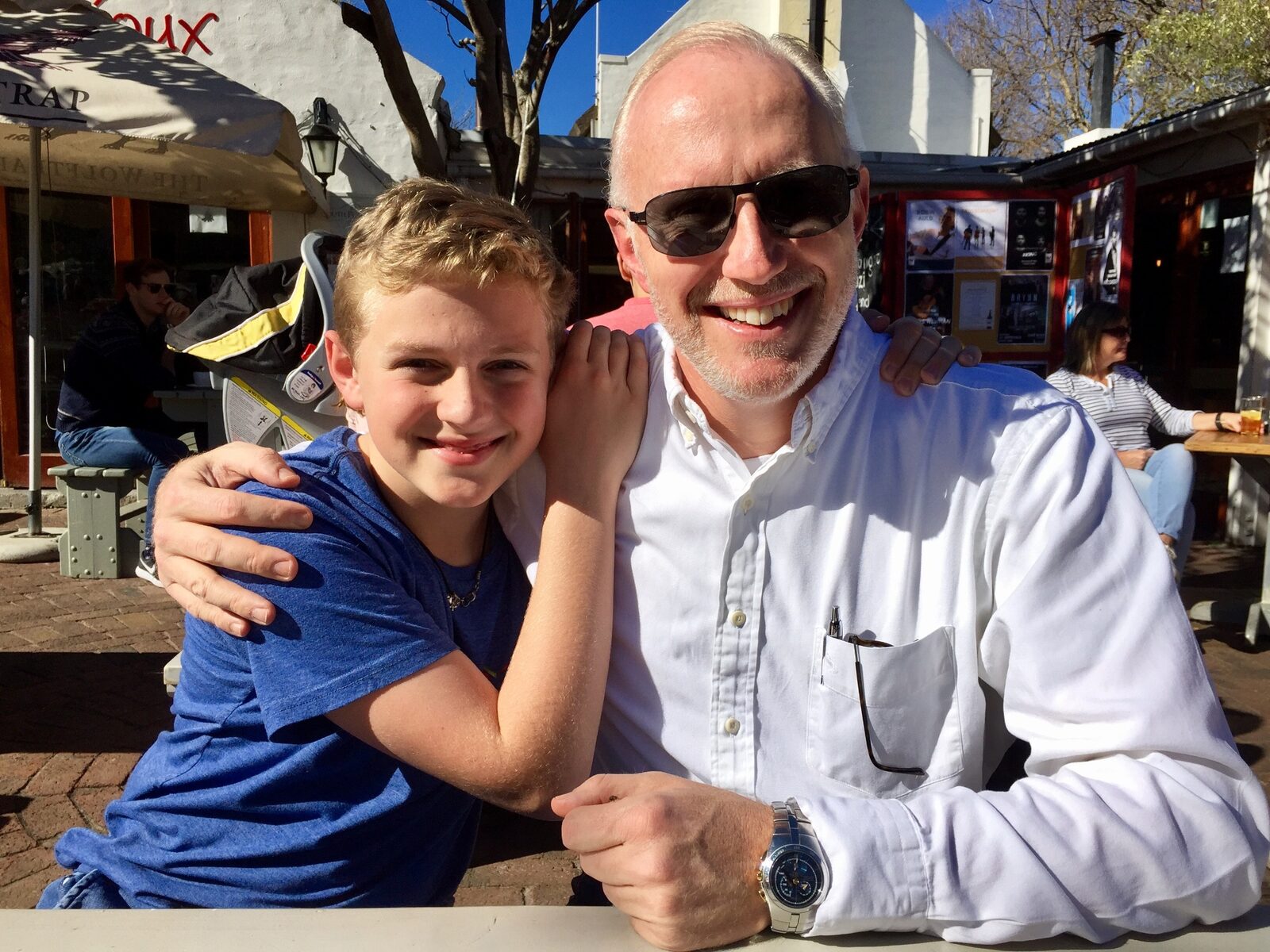
His moral compass does not waver. This is not a small thing. Most of us spend our lives off course. If we are fortunate enough to find our way back to shore once we have navigated the turbulent waters of introspection and self-examination, we wander about in anxious self-recrimination, attempting to recalibrate, apologising to the needle for having pulled it off course.
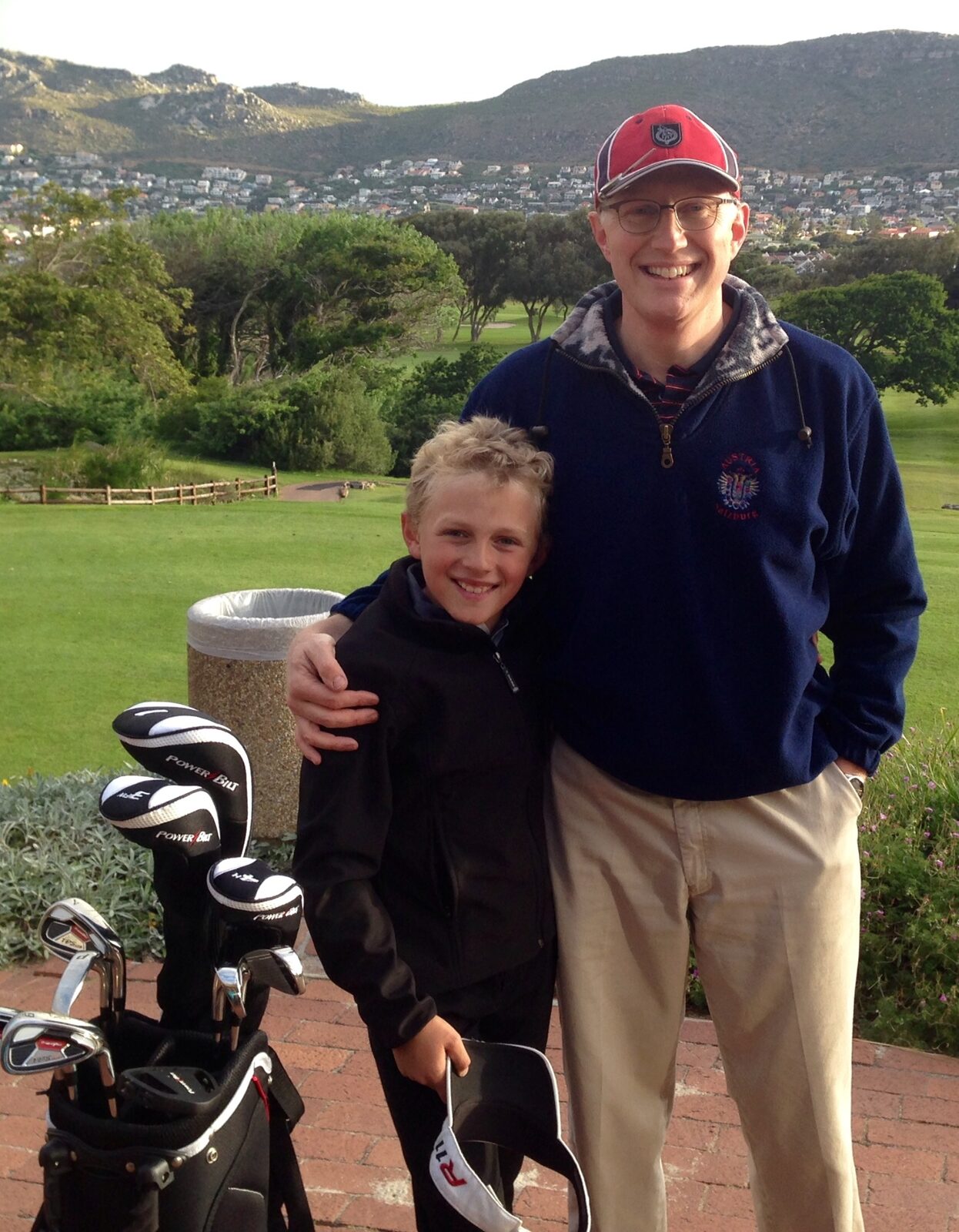
Perhaps, though, what I admire most, what I find most admirable and most lovable, is the transformation he has wrought upon the very wounds of his childhood. The sensitivity that caused him such pain, the vulnerability that made him a target: these have not been discarded or armoured over.
They have been alchemised. They have become, in him, an extraordinary capacity for kindness, for generosity, for the kind of benevolence that knows its own power and wields it with clarity.
He draws clear boundaries, so that every person who encounters him knows precisely where they stand. He does so respectfully, kindly, gently and with genuine compassion and empathy, without leaving any room for doubt or ambiguity.
And precisely here is where the emperor must lay down his sceptre and listen.
Isaac Asimov, who understood more about the architecture of minds than almost anyone, wrote that the saddest aspect of life is that science gathers knowledge faster than society gathers wisdom. I think of this when I think of generations, how knowledge passes from parent to child like water through cupped hands, much of it lost, and yet somehow the child arrives wiser than the hands that carried them. We do not always understand the mechanism. Perhaps it does not matter that we do.
What matters, I think, is whether the emperor is wise enough to recognise that his crown prince has brought something back from the frontier that the emperor himself could never have reached, a vision of the empire not as it is, but as it might yet become. My son carries within him a version of the world built on kindness as a first principle, on integrity as the load-bearing wall, on the quiet, radical idea that vulnerability and strength are not opposites but partners.
These are not the naïve dreams of youth to be patiently waited out. I think they are the blueprint. The crown prince has drawn the map, and it is better than any the emperor could have envisaged.
The emperor's job, then, is not to correct the map. It is to govern toward it.
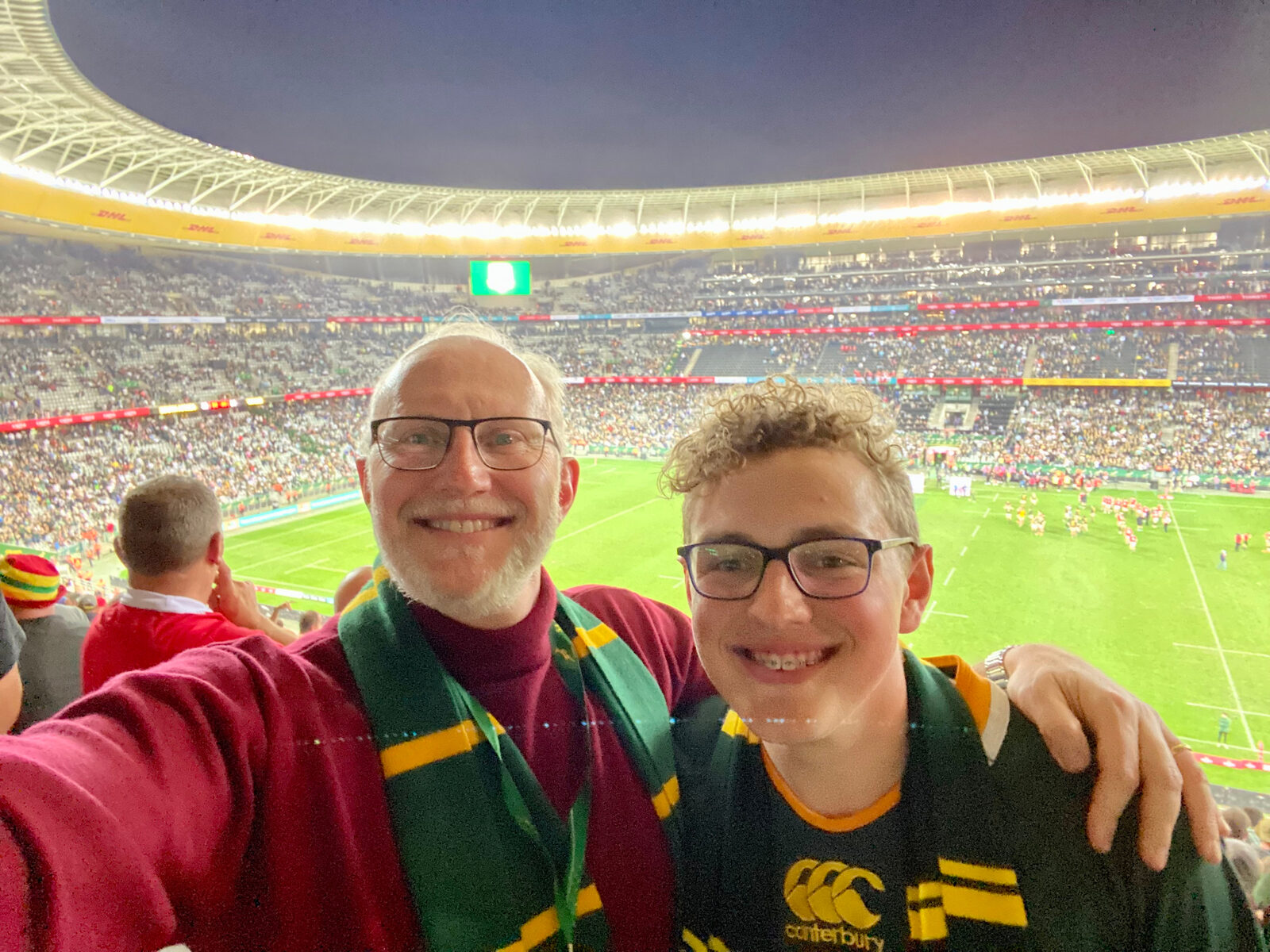
To appreciate how I arrived at this understanding, I must go back one generation further. I must speak of the man who first taught me, by example, what it looks like to carry wounds without becoming them.
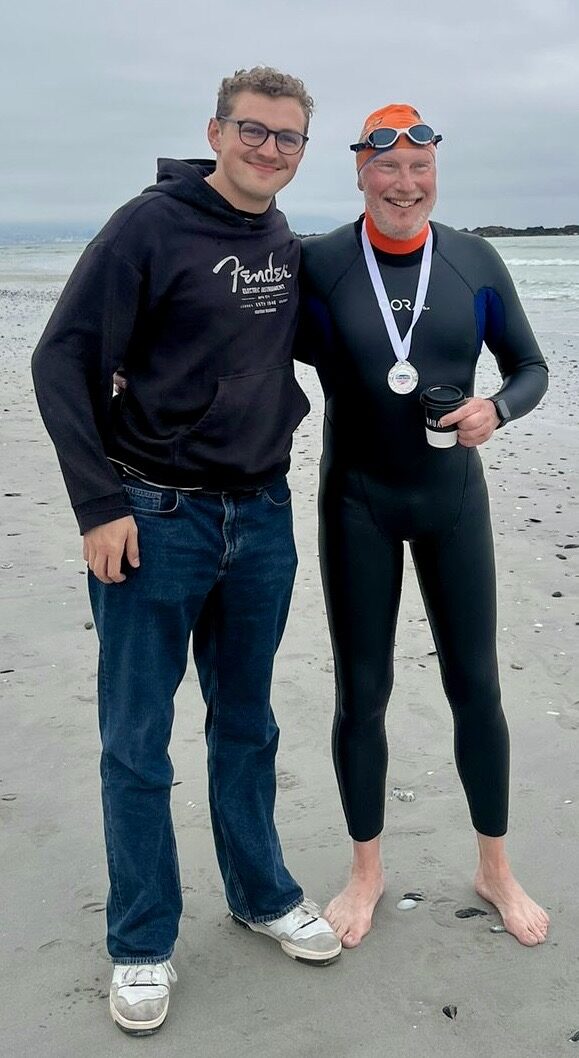
My father was a man shaped by the unimaginable ravages of a childhood lived through the Second World War in Nazi Germany. What that does to a child, the particular texture of that fear, that displacement, that annihilation of ordinary safety, is something I cannot fully fathom, and he did not often speak of it. He carried those wounds quietly. And yet, despite them, he managed to live a life of unimpeachable integrity. There was no distance in him between the private man and the public one. What you saw was what was there.
My father held the belief on my behalf until I could hold it myself. He carried it quietly, as he carried everything, without complaint or condition. This is what the continuity of generations does, if we allow it: it hands us, across time, the very things we were not yet ready to hold.
And in my son, I see that same quiet carrying, the same refusal to make a performance of integrity, the same ease with which he inhabits his own goodness. He has taken the best of what was handed down through that lineage and made it wholly his own.
And then made it more. He has taken my sensitivity and fragility, which caused me and others such pain for so long, and transformed them into the very pillars of his beautiful being, without the shadows that so long accompanied those qualities in me.
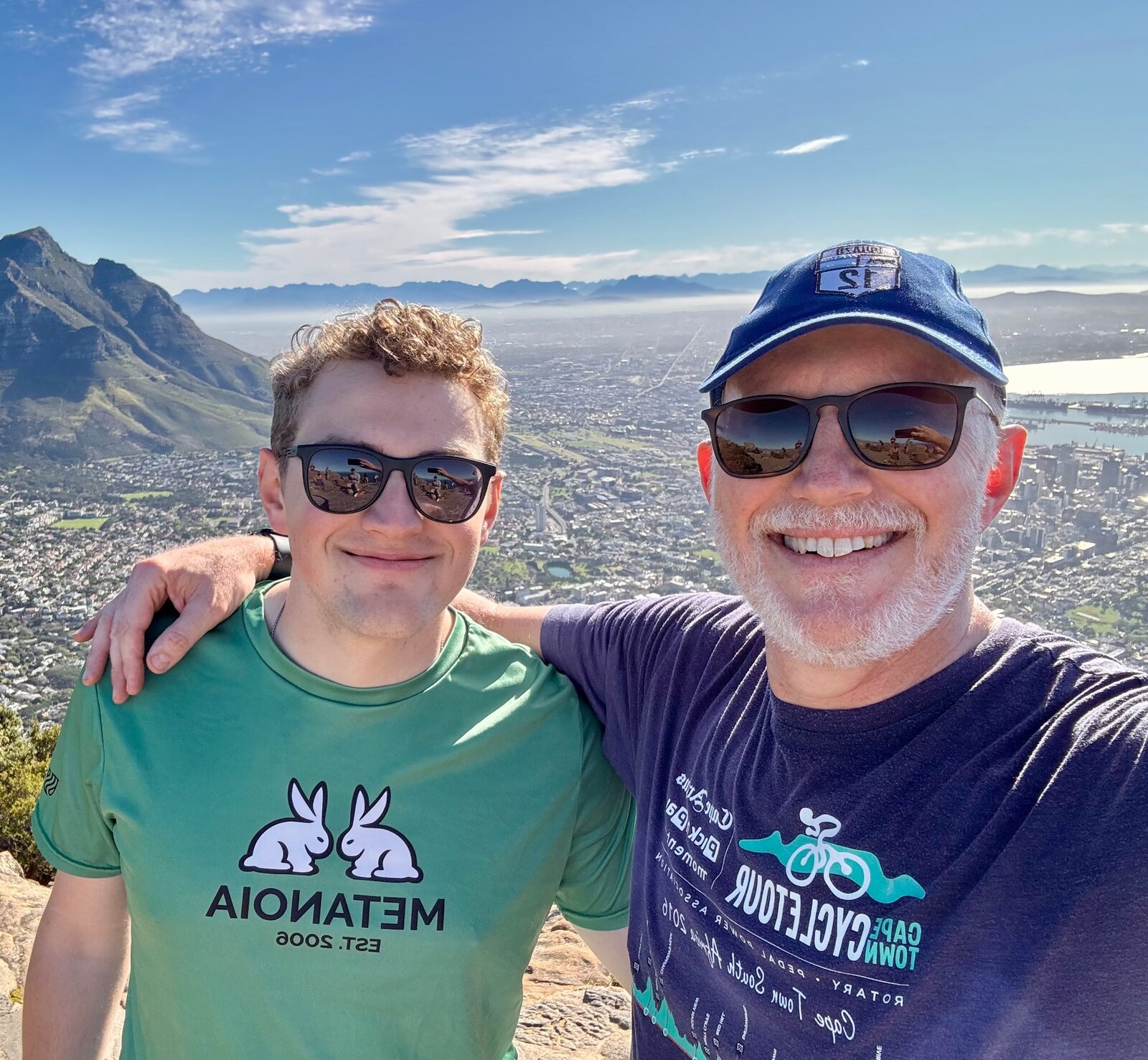
The Alchemist teaches us that the universe conspires to help those who pursue their Personal Legend. I wonder if it is equally true that the universe conspires, quietly and without announcement, to help fathers and sons find their way toward mutual recognition, toward the moment when the emperor stops issuing proclamations and the crown prince stops waiting for permission, and they simply meet each other, as equals, in the world they are building together.
I truly stand in quiet awe of his growth and development, having watched him become. I say "become" deliberately, because becoming is not an event but a continuous act, a verb that never fully resolves into a noun. He is still becoming. So am I. And perhaps this is the most honest thing I can say about the love between a father and a son as they grow older together: it is not a thing that is finished. It is a thing that is always, still, arriving.
One day, when I grow up, I want to be like him.
There is more than just a small amount of truth in that.
For my father — who held the belief until I could. For my son — who showed the emperor what his kingdom was always supposed to be.