DECEMBER 2, 2025
The Harmonious Heart

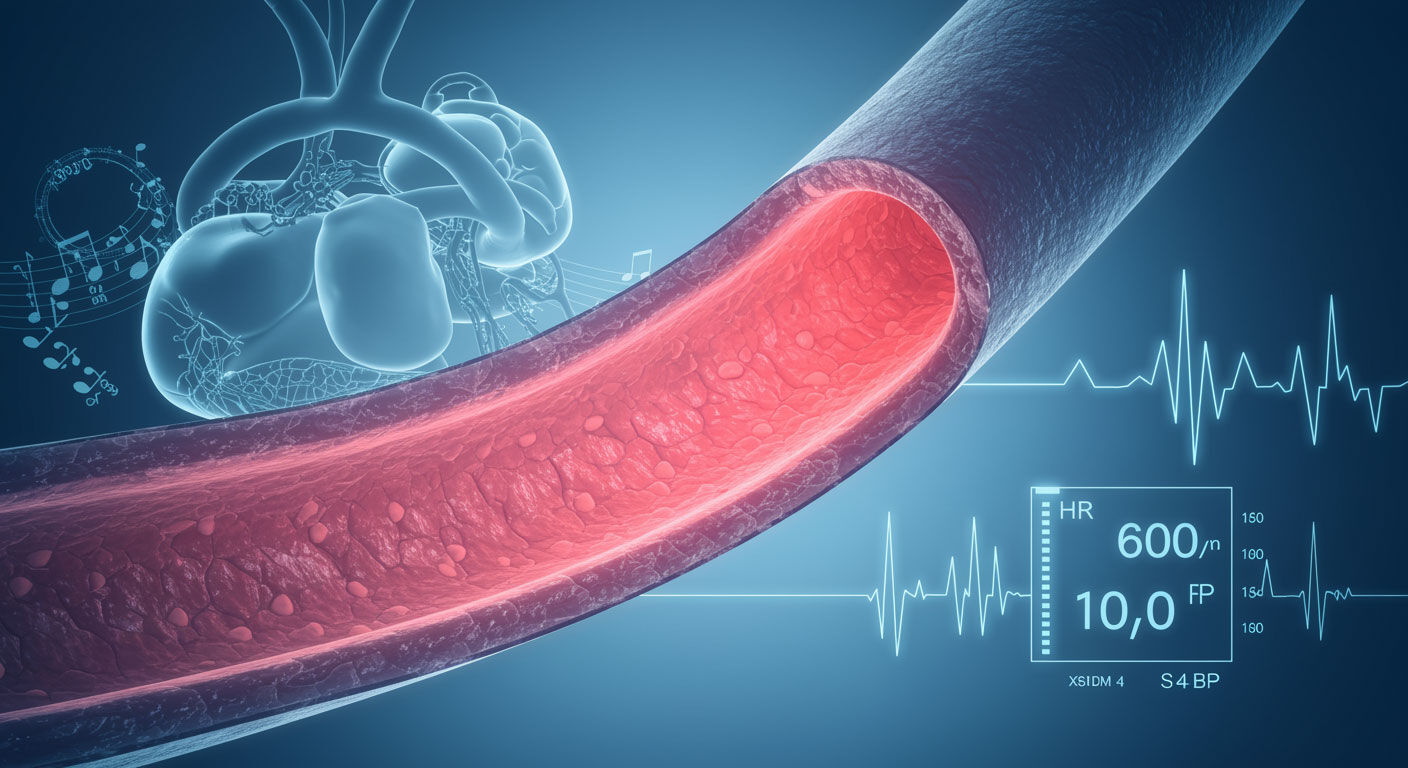
For centuries, humans have recognized music’s profound emotional impact, but only recently have scientists begun to uncover its remarkable physiological effects—particularly on cardiovascular health. What was once considered merely a source of pleasure is now emerging as a promising complementary therapy for those with cardiovascular disease. Research reveals that music doesn’t just touch our souls; it actively influences our heart rate, blood pressure, vascular function, and overall cardiovascular well-being.
Music’s impact on the cardiovascular system operates through complex biological pathways. When we listen to music, sound processing begins in the brainstem, which simultaneously controls our heartbeat and breathing. This neurological connection explains why music can directly influence cardiovascular parameters. Calming music activates the parasympathetic nervous system—the body’s “rest and digest” system—slowing heart rate and lowering blood pressure. Studies have shown that music can improve blood vessel function by relaxing arteries, which enhances circulation and reduces strain on the heart.

The mechanism extends beyond simple relaxation. Listening to or creating music triggers the release of dopamine, a neurotransmitter associated with pleasure and motivation. This neurochemical response not only elevates mood but also contributes to cardiovascular benefits. Research published in the European Heart Journal suggests that music may exert cardiovascular benefits through complex interactions between respiratory activity and autonomic functions, creating a holistic physiological response that supports heart health.
Stress is a well-documented risk factor for cardiovascular disease progression and complications. Multiple studies confirm that music significantly reduces stress and anxiety levels in cardiac patients. A 2020 study presented at the American College of Cardiology’s Annual Scientific Session demonstrated that listening to music for just 30 minutes daily helped lower anxiety levels in patients who had recently experienced a heart attack. This is particularly significant because elevated anxiety can increase heart rate and blood pressure, placing additional strain on an already compromised cardiovascular system.

Beyond psychological benefits, music directly affects measurable physiological markers. Research shows that appropriate musical selections can:
A study examining blood vessel function found that joyful music positively affected vascular endothelial function—a key predictor of cardiovascular events. This suggests music might influence the very lining of our blood vessels, potentially reducing long-term cardiovascular risk.
For patients recovering from cardiac procedures, music therapy offers tangible benefits. A study published in the Journal of Cardiothoracic Surgery revealed that music therapy eased pain, anxiety, and depression among people recovering from coronary artery bypass surgery. Similarly, research involving 159 heart failure patients showed that those who listened to music for at least 30 minutes daily in addition to conventional treatment demonstrated significant improvements in heart health after three months compared to those receiving standard care alone. These patients also experienced better sleep quality and cognitive function—factors that indirectly support cardiovascular recovery.