
DECEMBER 8, 2025
The Special Case of Singing
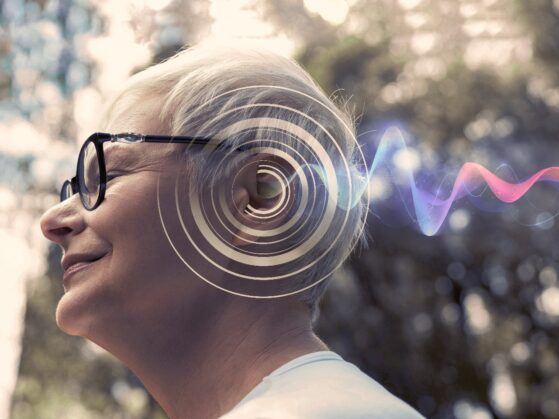
While listening to music provides substantial benefits, actively participating through singing may offer additional advantages. Researchers at the Medical College of Wisconsin have been investigating how singing could serve as complementary therapy for individuals with coronary artery disease, particularly older adults who struggle with traditional exercise-based cardiac rehabilitation due to physical limitations like arthritis or neuropathy.
Singing involves controlled breathing and sustained vocal activity that engages the cardiovascular system similarly to light-intensity physical exercise. Dr. Jacquelyn P. Kulinski’s research suggests that singing might improve vascular endothelial function, potentially offering a viable alternative for patients who cannot participate in standard cardiac rehabilitation programs. The European Heart Journal has noted that “singing is a remarkable avenue for promoting heart health,” recognizing its holistic benefits for both mind and body.
Not all music produces the same cardiovascular effects, and several factors influence its therapeutic potential:
Research consistently shows that patient-selected music yields greater benefits than music chosen by others. The American Music Therapy Association explains that music “provokes responses due to the familiarity, predictability, and feelings of security associated with it.” A study testing both classical and rock music found that improvements in vascular function were greater when classical music lovers listened to classical music, and vice versa for rock enthusiasts. This underscores the importance of individual musical preferences in therapeutic applications.
The tempo of music significantly affects its cardiovascular impact. For calming effects, music with a tempo between 60 and 80 beats per minute—mimicking the human heart rate—is typically most effective. Slower tempos promote relaxation and parasympathetic activation, while more upbeat tempos can enhance exercise performance for cardiac rehabilitation patients.
Research suggests that consistent, daily exposure yields the best results. The 30-minutes-per-day protocol used in multiple studies appears to be an effective duration for producing measurable benefits in cardiac patients.
The growing body of evidence supporting music’s cardiovascular benefits represents a promising frontier in cardiac care. From reducing anxiety in heart attack survivors to improving vascular function and enhancing recovery after surgery, music therapy offers a safe, accessible, and cost-effective complementary approach to traditional cardiovascular treatments. As Dr. Biykem Bozkurt, President of the Heart Failure Society of America, noted regarding recent research, “This opens new doors to prevention and treatment strategies using music for patients with heart failure and cardiovascular disease.”
While music should never replace conventional medical treatments, it represents a valuable addition to comprehensive cardiac care. Future research may further refine protocols for specific patient populations and conditions, but the current evidence is compelling enough to encourage healthcare providers to incorporate music therapy into holistic treatment plans. As our understanding deepens, the ancient connection between music and healing may find new expression in modern cardiology, helping patients not just survive cardiovascular disease, but thrive with improved quality of life.