JANUARY 13, 2026
Trespassing on my own Past
“Be not the slave of your own past – plunge into the sublime seas, dive deep, and swim far, so you shall come back with new self-respect, with new power, and with an advanced experience that shall explain and overlook the old.” One of my favourite quotes from one of my favourite writers, Ralph Waldo Emmerson.
I recently returned to the town I grew up in and where I spent the majority of the first 25 years of my life. Coming “home”, if it can still be called that, I reali s ed, is never just a physical return. It is a quiet, jarring collision between the person I was and the person I have become, played out on familiar streets that felt strangely shrunk, as if the town itself had exhaled in my absence. I went back expecting the warm haze of nostalgia. What I didn’t expect was how heavy that nostalgia would feel. How it arrived tangled: a tinge of grief, enormous gratitude, and a gentle yet profound reckoning with the passage of time. Heavy, yet oddly familiar and an almost welcome burden rather than an unbearable load.

The strangest disquiet settled over me when I stayed in my parents’ old house. This structure, once the private, beating heart of our family life, has been transformed into a luxury guest house. The walls are the same, but their soul has shifted. The house is still beautiful. A more modern fell pervades the entire space and it is still as neat, orderly and polished as I remember it being under my mother’s ever-watchful eye and my father’s almost obsessive fastidiousness.
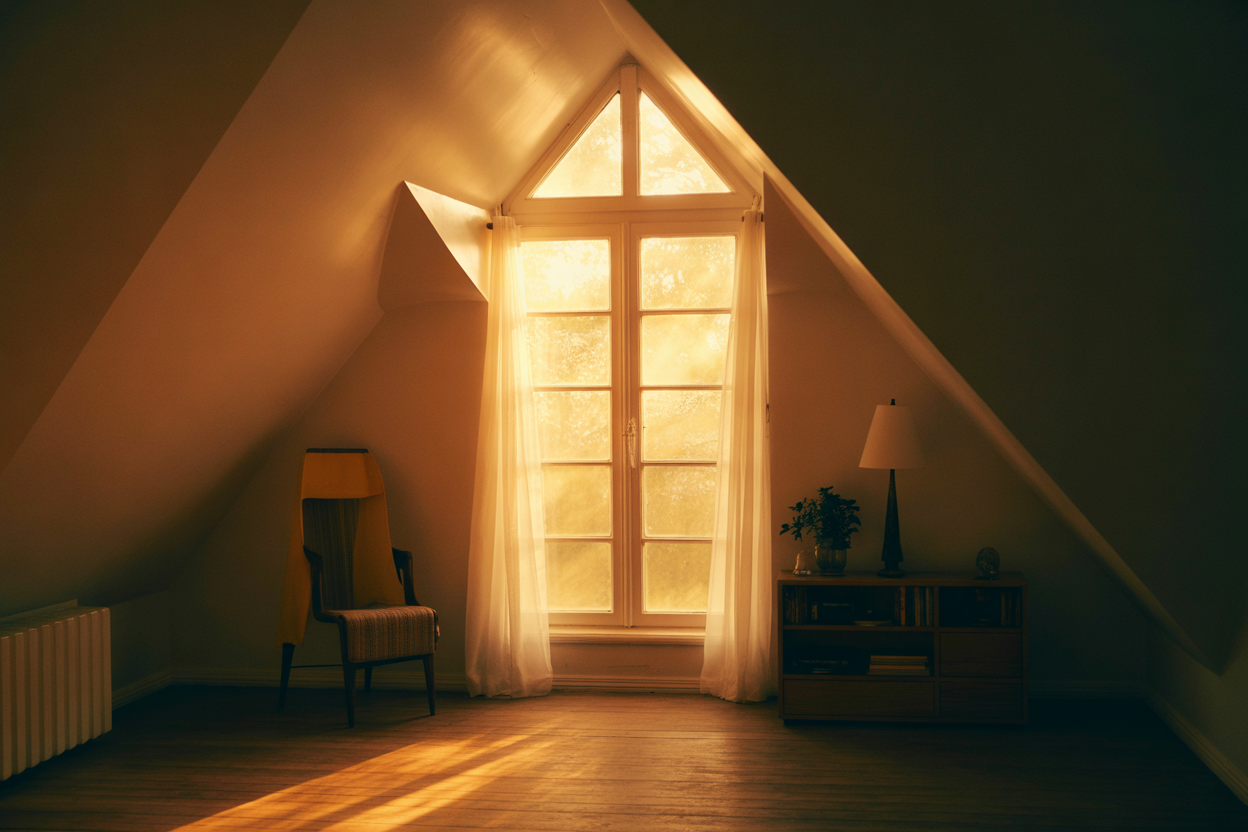
Yet, walking through it felt like trespassing in my own history. It was as if my childhood had been staged for an audience. And yet, beneath the fresh paint and curated décor, I could still sense the echoes: the specific creak of the third stair, the exact angle where the afternoon light hits the large window in the A-framed structure of my father’s old study. The house had changed, but it has retained the warmth, the style, the elegance and the sense of safety which accompanied the memories.

Meeting old friends and reminiscing, overwhelmingly positively, was the glue which reapproximated the sense of displacement and artificial removal brought about by the decades which have passed. Artificial because over the time I spent there, the closeness and the realisation of always having had a sense of belonging, morphed from a pleasant recollection to a real glow of fond re-experience and renewed appreciation.
There is a profound relief in shared history – the kind that requires no preamble. We spoke of school days and youthful ambitions with the easy shorthand of people who once believed the world ended at the town limits. Some had stayed, rooting themselves in the soil. Others, like me, had journeyed forth, seeking new challenges, new adventures to expand our horizons. We all carried different definitions of “home” now, but looking at them, the years seemed to dissolve. Time had altered our paths, but it hadn’t touched the recognition in our eyes, that instant familiarity that feels like exhaling a breath you didn’t know you were holding.
Perhaps the most tender moments came from reconnecting with my teachers. These were the giants of my youth, the figures who shaped my mind before I even understood what they were doing. Seeing them now, visibly older, more fragile, stripped away the illusion of permanence I had unknowingly placed upon them. It hurt, just a little, to see them mortal. Yet my respect for them hasn’t faded. Instead, it has deepened into understanding. They remembered me not just as a student, but as a young person trying to find his footing. Standing before them again, I felt a profound, quiet gratitude for lessons that had nothing to do with textbooks. They were lessons about discipline and curiosity that have silently steered my life, even when I was too ignorant and immature to realise how well they had equipped me and I took those acquired skills for granted in my ignorance.
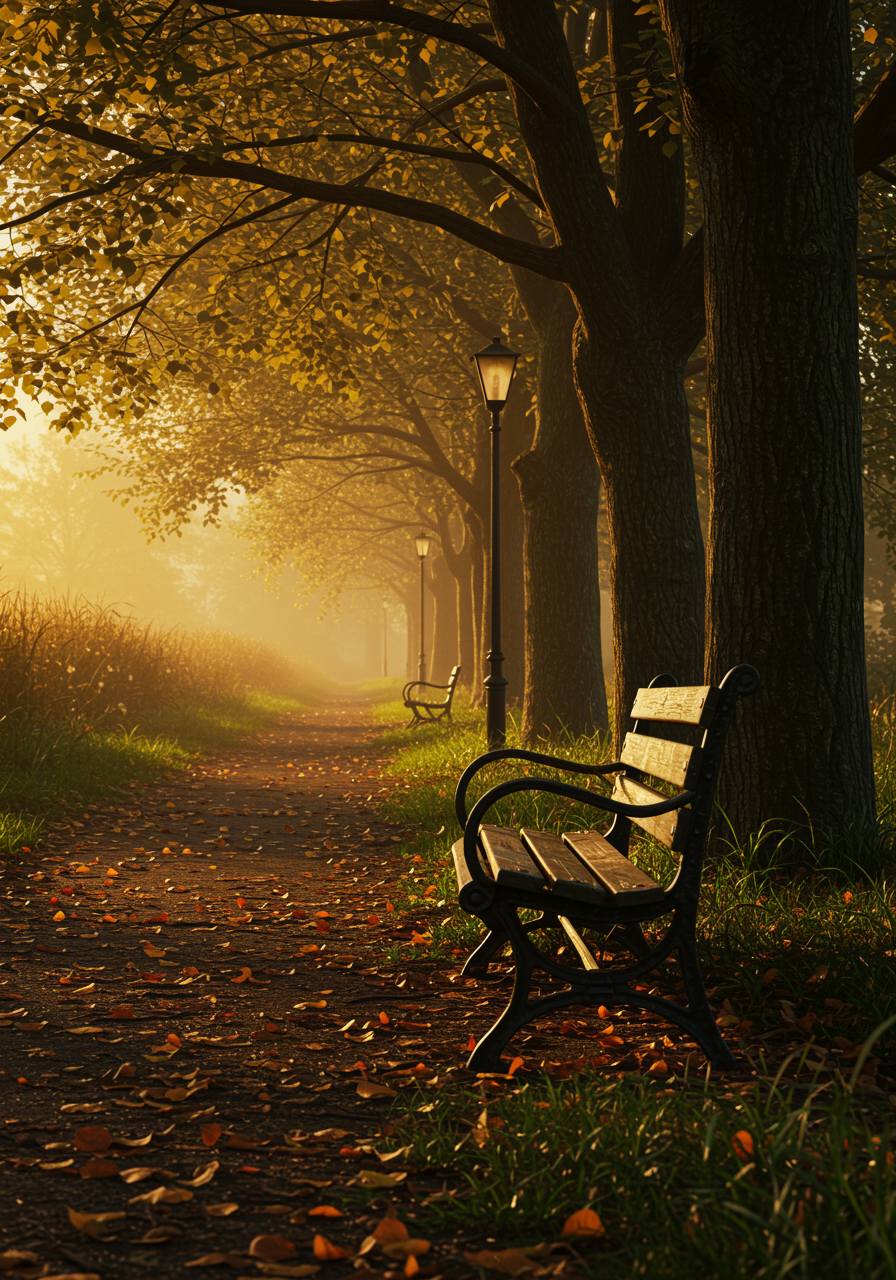
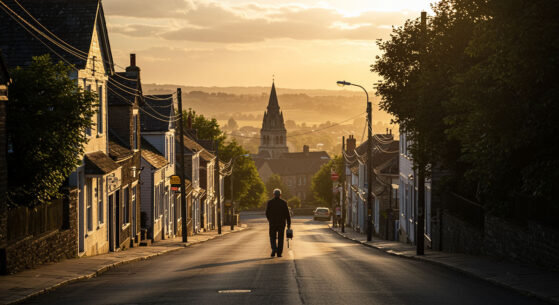
Retracing the physical steps of my student years brought a mix of comfort and unease. The routes I once walked on autopilot were now landmines of memory: the shortcut past the field, the bench where we wasted hours, the building where I first tasted independence. But I couldn’t look away from the decay. The roads are cracked and littered with potholes. Public buildings looked tired and neglected. In most places, the town wears its age like a seedy, tattered cloak, bereft of its dignity. It hurt to see the places that once felt so solid now looking vulnerable, even forgotten.
It would be easy to look at this deterioration and see only loss, a metaphor for opportunities squandered. And I admit, there is a deep sadness in watching the place that raised you struggle to keep its head above water. But to reduce my town to its crumbling pavements would be a betrayal. Beauty persists here, though you have to look closer to find it. It exists in the way the hills still cradle the town at dusk, and in the stubborn endurance of the people who stay, who care, who repair. It lives in the stories that refuse to fade, even as the paint peels.
The silver lining, I’ve found, isn’t about pretending the decline isn’t happening. It’s about recogni s ing what survives alongside it. Memory is an act of defiance, a way of preservation. To remember fully. To hold both the flaws and the fondness. Surely this is the only honest way to love a place. The town isn’t what it was, but neither am I, and somewhere between the deterioration and my own development, I found meaning.
Coming home taught me that belonging doesn’t require perfection, it requires connection. An acceptance that places, like people, age, falter, and change. And yet, they remain worthy of love.
Walking those streets again, I learned that home isn’t a museum piece frozen in time. It lives in the fragile space between what was and what remains, bearing its scars, and carrying its beauty all the same.