
OCTOBER 2, 2026
On the Moral Imperative to Save a Child's Life.
by Dr Wilhelm Lichtenberg & Manfred Noriskin-Ender


Try to visualise the following scenario: Thandi, just 2 years old, a beautiful girl with bright eyes, should be looking toward a future full of possibilities. Instead, her tiny body fights against a treatable heart condition while her parents watch helplessly, unable to afford the surgery that would save her.
In a recent piece, my co-author and I argued that our failure, as a society, to act on distant suffering is a failure of imagination, not of care. Distance is a fact, not a moral exemption. Current sponsorship and financial aid figures expose the widening gap between what the world spends on spectacle and what it gives to the poorest - the destitute, forcibly displaced and orphaned.
Rather than treating this as an accusation, we ask how a species capable of such fine moral sentiment ends up organised so entirely around its own entertainment.
We can find the answer in the vivid, deliberately engineered architecture of emotions built around sport and celebrity, against the almost complete absence of anything comparable for distant suffering. We argue that even the unfiltered, ever-present suffering now streamed into our lives thanks to digital technology hasn't closed this gap, because vividness without somewhere for the feeling to go breeds spectatorship rather than action. This is compounded by a culture that has built an entire vocabulary for softening and avoiding discomfort rather than sitting with it. In addition to that, the raw, unfiltered, endless stream of daily news and catastrophe has numbed us to its true horror.
Our blog closes by reminding us of our innate instinct to help as something already fully intact in us, surmising that the real distance to be crossed was never geographic, but rather imaginative - the gap between hearing about a life of suffering and being able to truly picture it - and asking whether we're willing to take on that burden for someone other than ourselves.
Whilst a thoughtful discussion about moral theory has its own merits, it remains only that: a theoretical discussion. Surely it is our responsibility to dig deeper, to turn the magnifying glass on our own soul and our individual conscience.

Beyond theoretical constructs lies a more visceral, almost primal response. The sound of a child's cry for help resonates in the deepest chambers of our hearts. The image of a child in peril evokes an instinctual drive to protect and preserve. This reaction is not merely a social construct but a deeply ingrained aspect of our shared human experience. It speaks to the interconnectedness of our existence, reminding us that in saving another, we reaffirm our own humanity.
In a world that seems to be spinning faster each day, where the demands on our time and energy continually escalate, we find ourselves grappling with a profound and often unspoken dilemma: how to allocate our limited time and financial resources in the face of infinite needs around us. This conundrum becomes especially poignant when we are confronted with the most heart-wrenching of situations - saving a child's life.
There is an iconic photograph of a starving child who collapsed on its way to a famine relief centre in Sudan, a vulture hovering nearby. This photograph, first published in the New York Times, garnered South African photographer Kevin Carter the Pulitzer Prize for Feature Photography in 1994. When asked whether the child had survived, Carter could not answer, as he had allegedly not moved to help the child, but had continued photographing other scenes.
Thirteen months later, Carter took his own life.
In the labyrinth of ethical dilemmas life presents us with, few are as profound and urgent as the choice to save a child's life.
This scenario, stripped to its raw essence, prompts us to examine the very core of our humanity and moral philosophy. The question is simple yet profound: If you find yourself in a position to save a child's life, why would you not?
This question delves far beyond the superficial layers of instinct and social obligation. It invites us to explore deeper realms of empathy, responsibility, and the intricate web of human connection. To understand the gravity of this question, we must first recognise the intrinsic value of a child's life, or anyone's life - not as an abstract concept, but as the very basis of what makes us human.
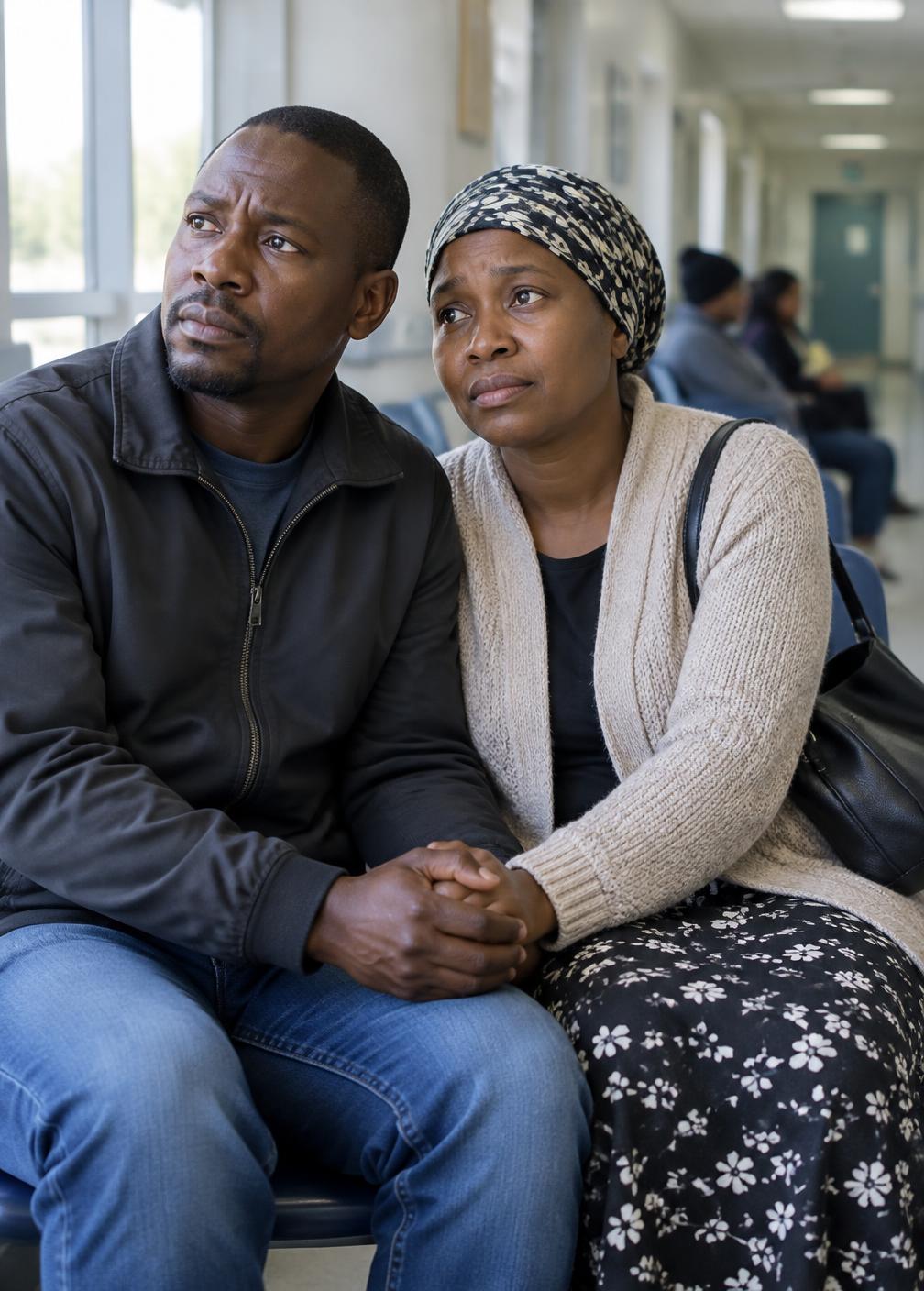
Yet despite the apparent clarity of this imperative, hesitation or inaction still occurs. These moments of pause can be attributed to several factors: fear, perceived inability, or paralysis induced by the gravity of the situation. I've looked into the eyes of parents who would give anything to save their child (which parent wouldn't?), but they simply did not have the financial resources to bridge the gap between life and death.
I've held the hands of children whose only crime was to have been born into circumstances where heart surgery is seen as an unattainable luxury rather than a fundamental right. As fundamental as food and shelter.
Where does self-interest end and empathy begin to galvanise us to take up the cudgels and fulfil our moral responsibility?
Herein lies the crux of the matter: recognising that the question itself - why would you not? - is a powerful catalyst for introspection and honest self-assessment. It compels us to confront our limitations and biases, urging us to transcend them in search of a deeper understanding of our most primal emotion as sentient beings, namely love.
Consider this: a donation of R150 can literally help to keep a heart beating. That same amount might be what some spend on a pizza or movie ticket. How then do we reconcile our choices? Why is our dinner or our entertainment more important than Thandi's life?
"Your task is not to seek for love, but merely to seek and find all the barriers within yourself that you have built against it." The challenge is not merely to act, but to understand why we might falter and to address those barriers within ourselves, with resolve and empathy.
The decision to save a child's life is not merely an ethical obligation. It is, or should be, a profound affirmation of our shared human spirit.
Ultimately, it's about reaching across the divide between comfort and desperation to grasp the hand of someone who cannot save themselves. It calls us to rise above fear and indecision, to embrace the opportunity to enact positive change.
"Why would you not?" As we navigate the complexities of modern life, let this question serve as a guiding light, a reminder of our capacity for goodness and the enduring power of human connection.
By engaging with this question thoughtfully and courageously, we not only safeguard the lives of the most vulnerable. We also fortify the moral fabric of our society, ensuring that the values of empathy, kindness, and responsibility endure for generations to come.